 MindsBridge
A board game for older adults
MindsBridge is a memory and conversation game for seniors and people living with memory loss. One person reads a card aloud. Everyone at the table answers.
Open.
The lid lifts. Inside: one board, six playing pieces, one die and sixty cards. Nothing that needs batteries, a screen or an explanation.
Unfold.
The board opens to a single winding path from Start to Finish. Big squares in six colours, each one a kind of question.
Draw.
Memory, Imagine, Choice, Share, Wisdom and Lucky. Land on a colour, draw its card, and the table talks. Everyone finishes.
See how a round is playedWhere the game is now
150+
The first production run is out of the boxes and onto tables. We deliver copies in person where we can, show a room how a round works, and then sit down and play.

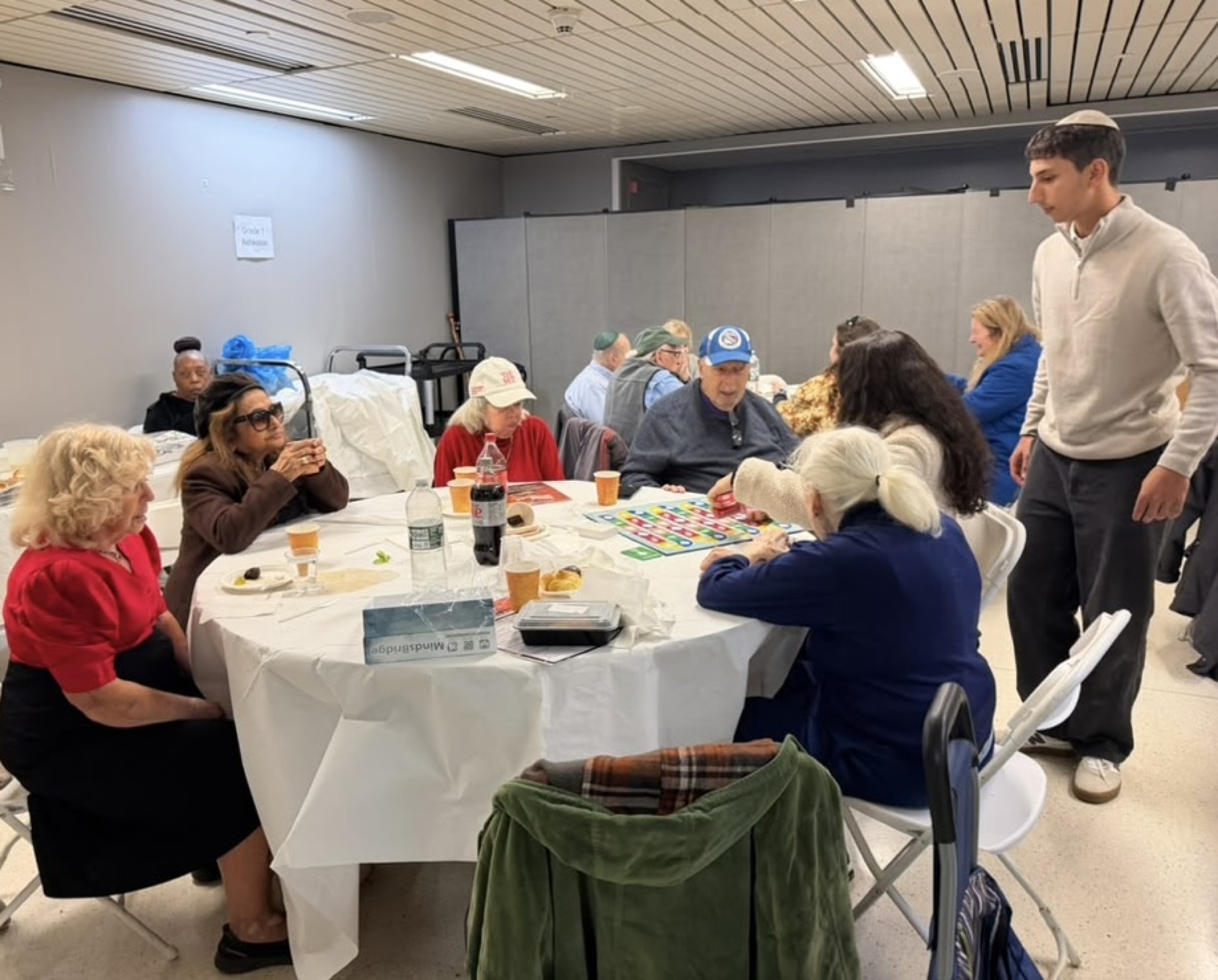
Noah, to a room of new players
“The goal is to bridge two people, bridge two minds, create a connection between the people that are playing the game.”
Noah SebagCo-founder, introducing MindsBridge at a senior residence
It took about a year and a half to design the game, and it went through a lot of iterations. The video has captions, so you can watch it quietly, and the full transcript is available to screen readers below it.
How it's played
The rules fit on one card. The path is the only thing to follow, the die is the only thing to roll, and a hint from a neighbour is part of the game, not cheating.
Board in the middle, the six decks beside it, a piece on Start for each player. One person agrees to read the cards aloud.
Roll the die and move along the path. The square you land on has a colour and a symbol.
The reader draws the top card from the matching deck and reads it to the table. The question is for the person who rolled, but anyone can add to it.
Lucky squares move you forward. Play until the last piece arrives. The conversation is the point, and it usually outlasts the game.
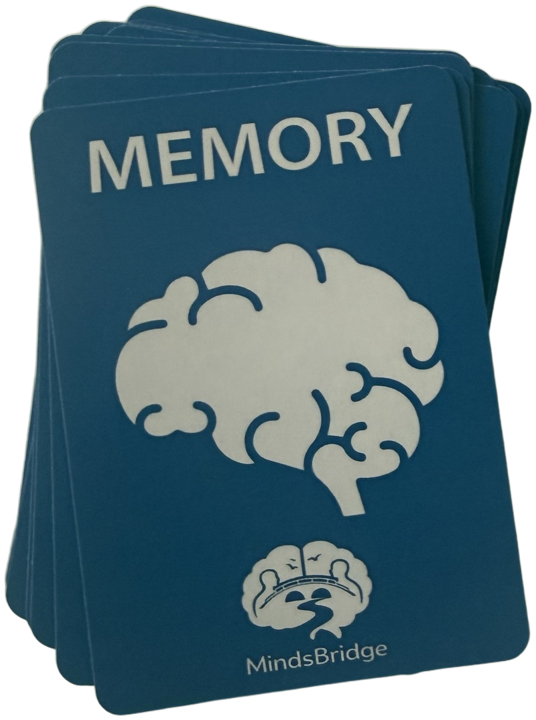
Gentle recall prompts about earlier life.
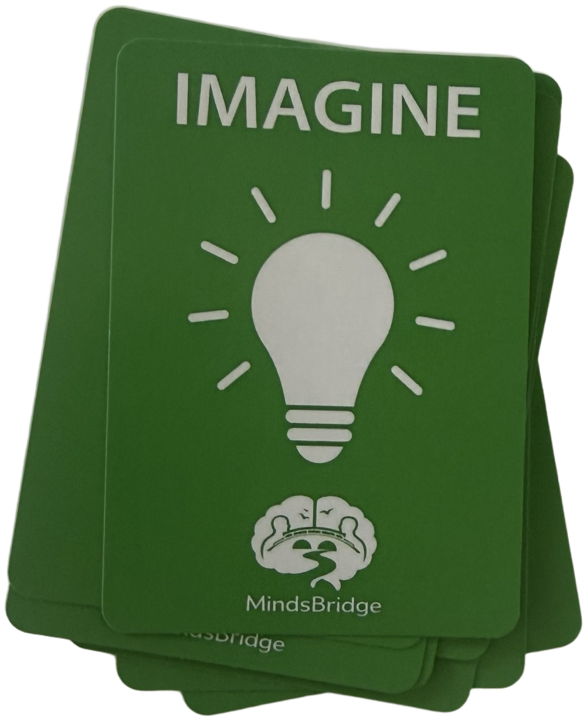
If-you-could questions that invite a little daydreaming.
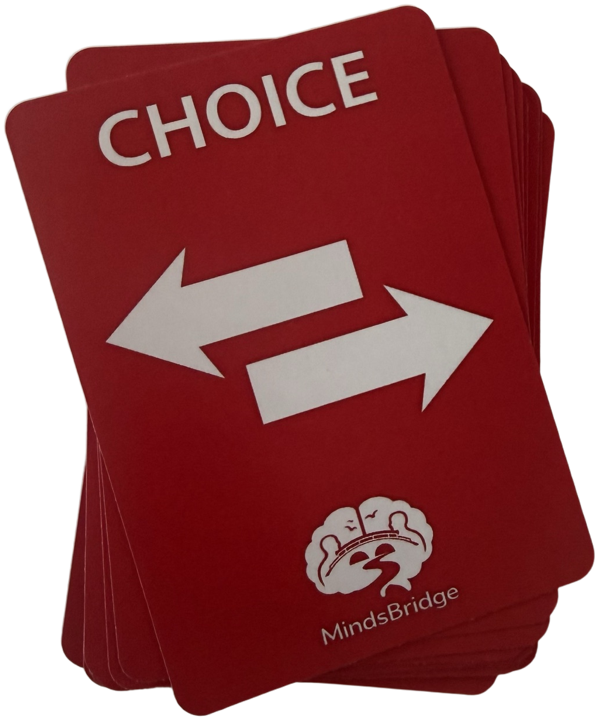
Would-you-rather questions. There is no wrong answer.
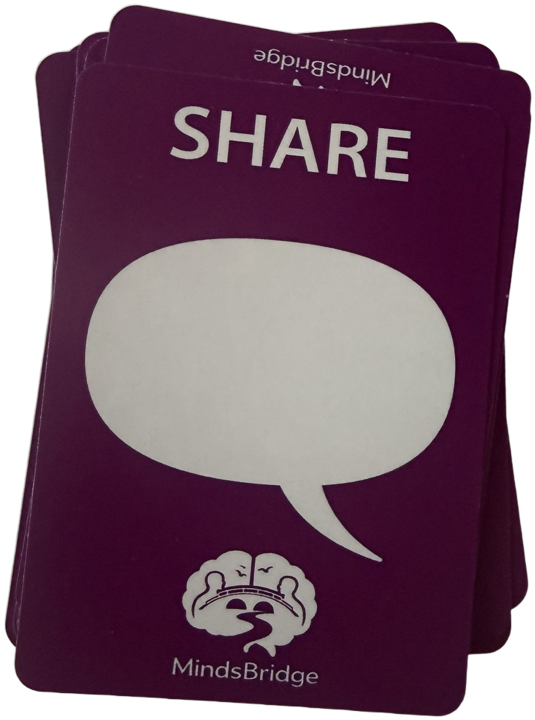
An invitation to tell the table a story.
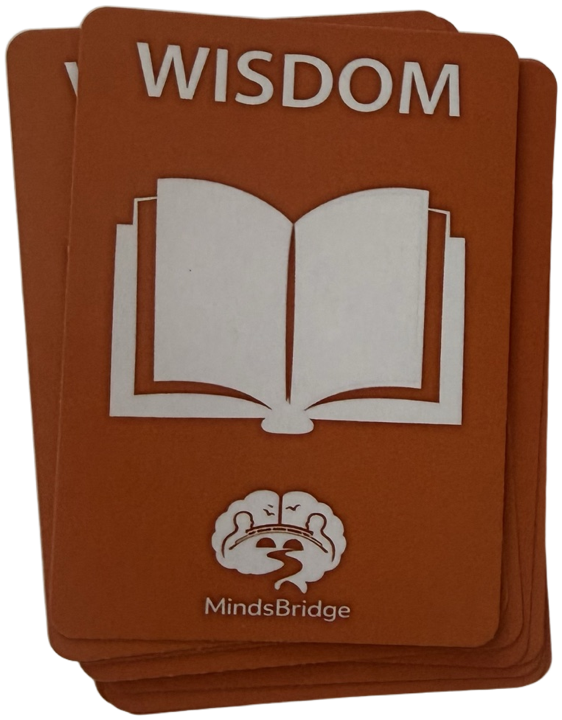
Advice you have received, or would give.
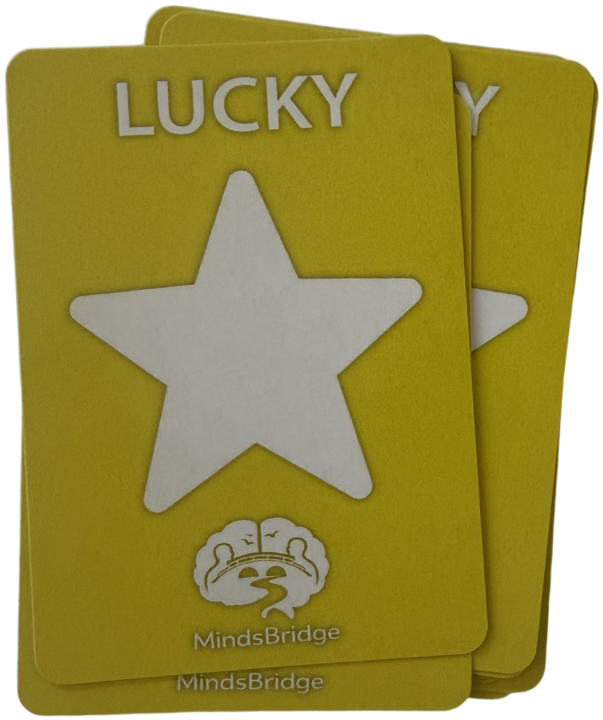
A free move forward. Everybody gets some luck.

In the box
Every piece was sized for hands and eyes that have earned a little consideration. The cards are big, the symbols are bold, and the box fits on a bookshelf.
Why we made it

An hour with a parent or grandparent that is about them, not about the illness.
A group activity residents actually ask for again, at different cognitive levels around one table.
A simple tool for memory care, occupational therapy and emotional wellness sessions.
For intergenerational programmes and for teaching empathy to students who visit.
Founders
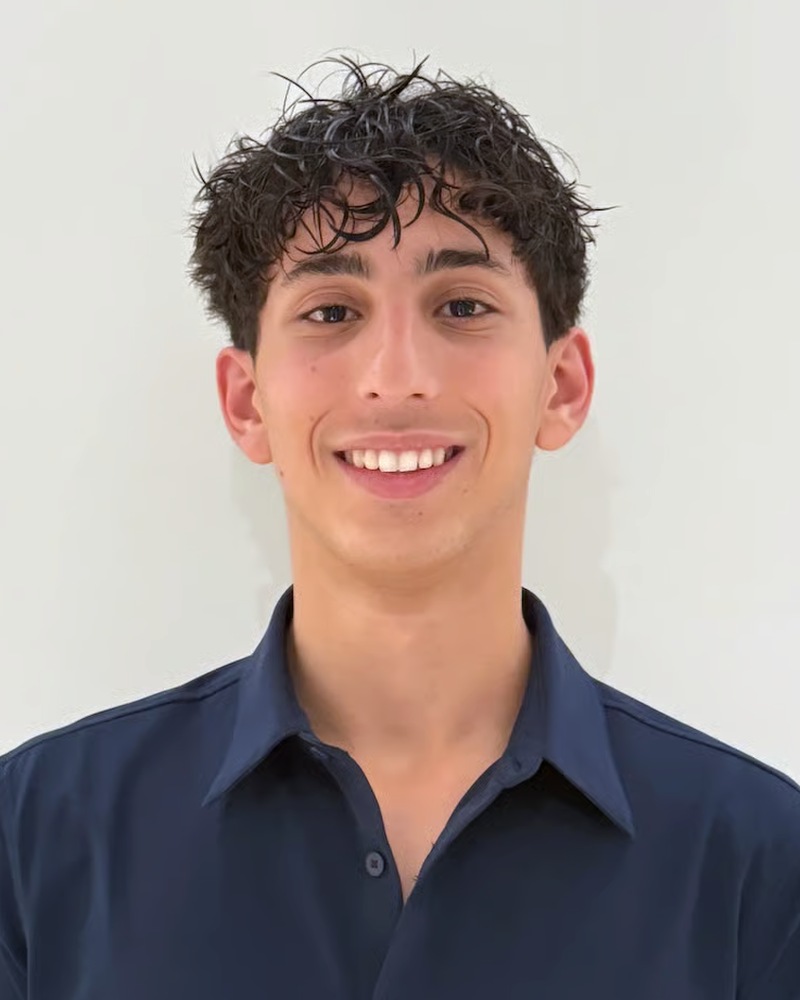
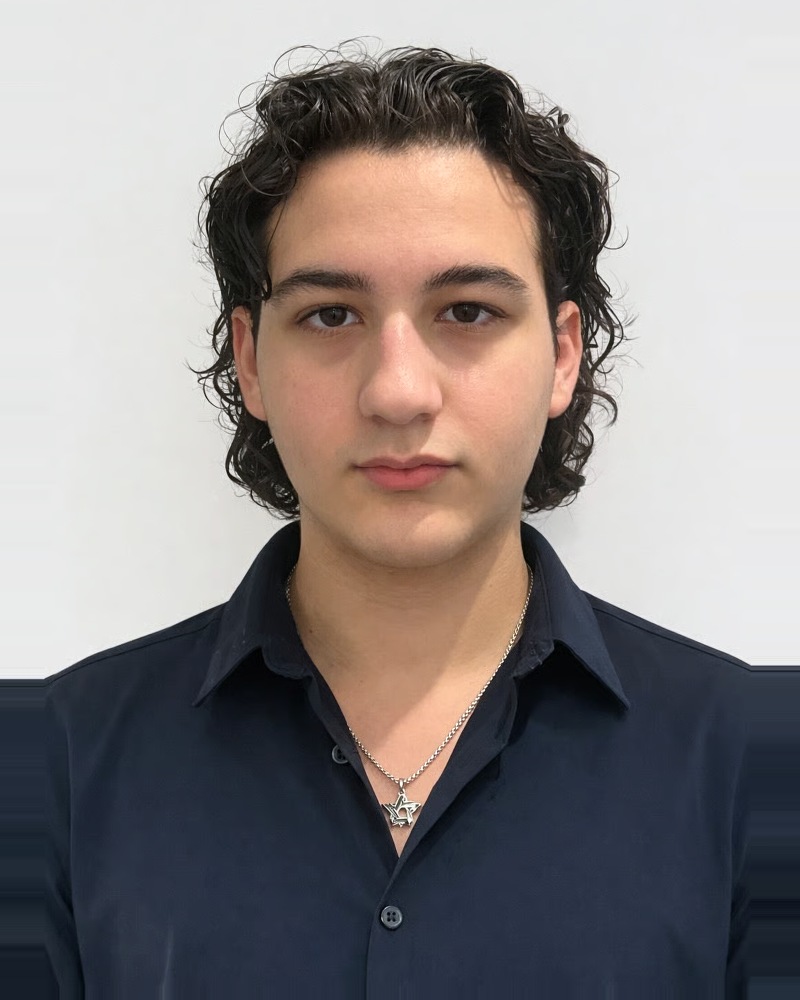
We are Noah Sebag and Yonatan Alder, high school juniors in New York. MindsBridge started with Noah's grandfather and his experience with Alzheimer's disease, and with the feeling that the activities on offer were either too childish or too hard.
We wanted something simple and research-informed that a senior home could use on a Tuesday afternoon without extra staff, and that a family could play on a visit. A year and a half of prototypes later, this is it.

Get in touch
Tell us about your residence, programme or family and we will get back to you, usually within a day. MindsBridge is a nonprofit project. If you would like to make a donation, email us and we will tell you how.
Email us